

Afghanistan Travel Guide: Historical Places You Must See
By GotoeSIM · July 12, 2026
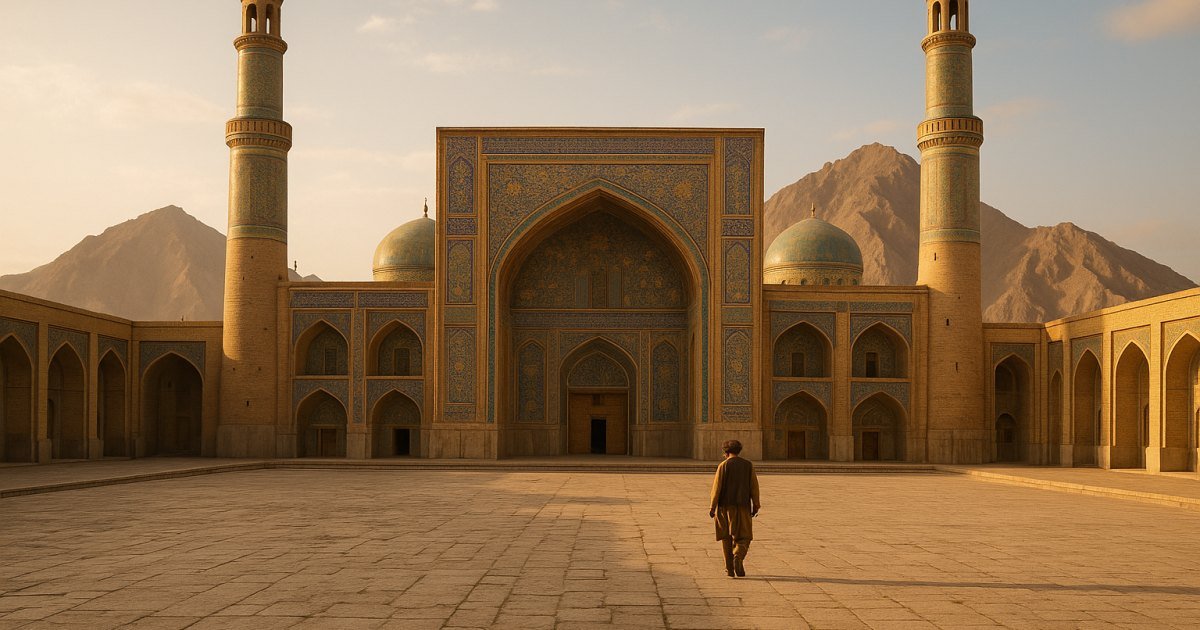
Afghanistan sits at the crossroads of ancient trade routes that once connected Persia, India, and Central Asia, making it one of the most historically rich countries on earth. For travelers drawn to history, culture, and dramatic landscapes, this Afghanistan travel guide covers the top historical places to visit, practical safety advice, and one simple tip that will make your trip much smoother: getting a travel eSIM before you land.
This guide was put together by GotoeSIM's travel content team using firsthand trip reports from travelers who visited Bamiyan, Herat, and Kabul, cross-checked against UNESCO World Heritage documentation and current government travel advisories.
Why Afghanistan Belongs on Every History Lover's List
Few countries pack in as much history as Afghanistan. It has been shaped by empires from Alexander the Great to the Mongols, the Silk Road traders, and Islamic dynasties. Ancient cities, ruined fortresses, ancient mosques, and carved cliffs tell stories that stretch back thousands of years. While travel here requires careful planning and awareness of current conditions, the historical rewards are extraordinary for those who go prepared.
Must-See Historical Places in Afghanistan
The Bamiyan Valley
Bamiyan is famous for the niches that once held the giant Buddha statues, carved into sandstone cliffs nearly 1,500 years ago. Even though the statues were destroyed in 2001, the site remains hauntingly beautiful and is a UNESCO World Heritage Site. The surrounding valley, dotted with caves once used by monks, is worth a slow, thoughtful visit.
Band-e-Amir National Park
Just a short drive from Bamiyan, Band-e-Amir is Afghanistan's first national park. Its deep blue lakes, separated by natural dams of mineral deposits, are stunning against the rocky desert backdrop. It's not just a nature spot — local legends tie the lakes to ancient Islamic folklore, adding a cultural layer to the scenery.
The Citadel of Herat
Herat's citadel, also called Qala Iktyaruddin, has stood for over 2,000 years, rebuilt many times by different rulers including Alexander the Great's successors and later Timurid dynasties. Walking its restored walls gives visitors a sweeping view of the old city and a real sense of the layers of history beneath their feet.
The Minaret of Jam
Hidden in a remote valley, this 12th-century minaret is one of the tallest brick towers in the world and a UNESCO World Heritage Site. Getting there takes effort, but the reward is standing before one of the best-preserved examples of Ghurid-era architecture, largely untouched by modern development.
Kabul's Old City and Museums
Kabul mixes ancient history with modern resilience. The National Museum of Afghanistan holds artifacts spanning thousands of years, including pieces that survived decades of conflict. Nearby, the Babur Gardens offer a peaceful walk through Mughal-era landscaping, built as a resting place for Emperor Babur, founder of the Mughal Empire.
Balkh, the Mother of Cities
Once a major center of Zoroastrian and Buddhist learning, Balkh later became an important Islamic city. Today it's a quieter town, but ruins, old mosques, and shrines still hint at its former grandeur as one of the ancient world's great cultural hubs.
Afghanistan Travel Guide: Practical Safety Tips
- Check travel advisories: Conditions in Afghanistan change quickly. Always check your government's latest travel advisory, such as the U.S. State Department's Afghanistan advisory, before booking.
- Travel with a local guide: A knowledgeable local guide is essential for safety, navigating checkpoints, and understanding cultural customs.
- Dress modestly: Conservative clothing is expected for both men and women, especially outside major cities.
- Carry cash: ATMs and card payments are unreliable outside Kabul, so bring enough local currency (Afghani) for your trip.
- Respect photography rules: Avoid photographing government buildings, military personnel, or checkpoints without permission.
- Plan for limited infrastructure: Roads can be rough, and travel times between historical sites are often longer than expected.
Stay Connected: Why You Need an Afghanistan eSIM
One of the smartest things you can do before flying to Afghanistan is set up reliable mobile data ahead of time. Local SIM cards can be hard to find, require paperwork, or simply aren't available at the airport when you land. That's where a GotoeSIM travel eSIM for Afghanistan comes in. You can activate it before you even leave home, so you land with working maps, messaging apps, and emergency access from the moment you step off the plane. GotoeSIM offers flexible options like the Afghanistan 500MB/Day plan for $3.64, the Afghanistan 1GB/Day plan for $5.60, and the Afghanistan 1GB 7Days plan for $6.30 — perfect whether you're taking a quick trip to Kabul or a longer historical tour across the country. Check out the full range of Afghanistan eSIM plans here, and if it's your first time using an eSIM, our help center walks you through installation and activation step by step.
Frequently Asked Questions
Is it safe to travel to Afghanistan?
Safety in Afghanistan varies significantly by region and can change with little warning. Most governments currently advise against all travel or all but essential travel to the country. Anyone considering a visit should consult an official advisory, such as the U.S. State Department's advisory, and travel only with an experienced local guide and updated on-the-ground intelligence.
Do you need a visa to visit Afghanistan?
Yes, nearly all foreign nationals need a visa to enter Afghanistan, typically arranged in advance through an Afghan embassy or consulate. Requirements and processing times vary by nationality, so check with your nearest Afghan diplomatic mission well before your planned travel dates.
What is the best time to visit Afghanistan?
Spring (April–May) and early autumn (September–October) offer the mildest weather for exploring historical sites like Bamiyan and Herat. Summers can be extremely hot in lower-altitude areas, while winters bring heavy snow that closes mountain roads, including routes to Band-e-Amir and the Minaret of Jam.
Can tourists still see the Bamiyan Buddhas?
The two giant Buddha statues were destroyed in 2001, but the carved niches, surrounding caves, and archaeological remains are still open to visitors. The site remains a protected UNESCO World Heritage Site, and the valley itself is considered one of the most significant Buddhist heritage landscapes in Central Asia.
Final Thoughts on Your Afghanistan Trip
Afghanistan offers a rare glimpse into layers of history that most travelers never get to see up close — from ancient Buddhist carvings to Islamic minarets and Mughal gardens. With the right preparation, a trusted local guide, and a reliable data connection through a travel eSIM, you can explore this remarkable country with confidence and focus on what matters most: the history unfolding around you. For a deeper dive into each site, see our companion piece, Afghanistan Travel Guide: Historical Places You Must See.
Ready to travel connected?
Instant eSIM data for 190+ countries. One-tap install, no roaming bills.
Browse eSIM plansOr get the GotoeSIM app