

Andorra Travel Guide: Historical Places & Staying Connected
By GotoeSIM · July 26, 2026
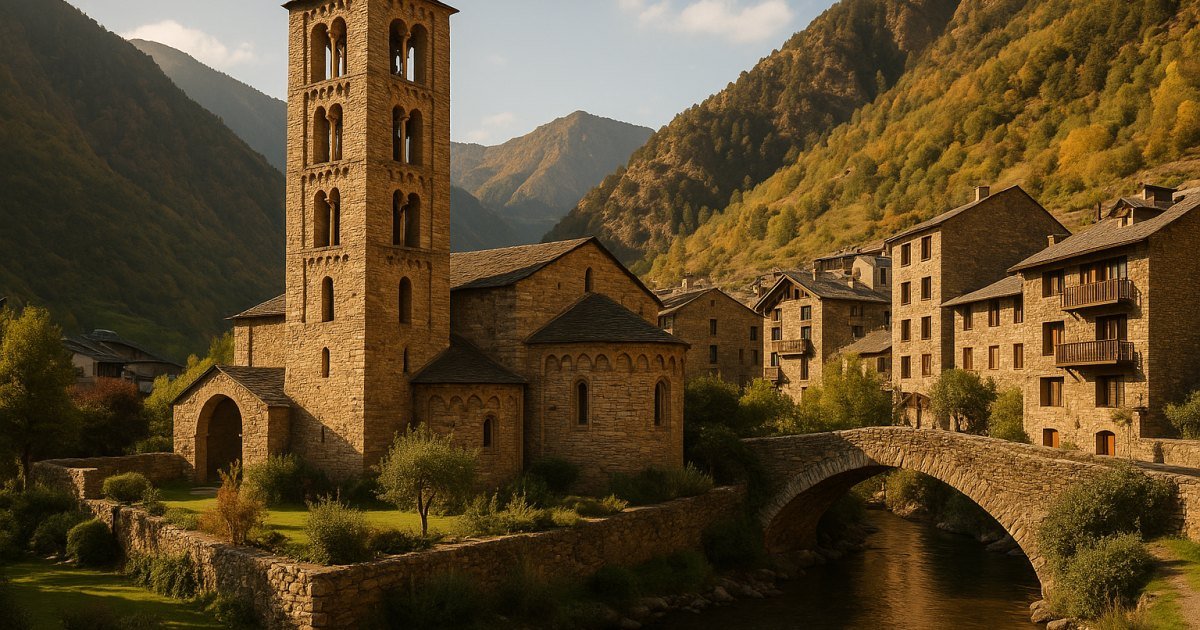
This Andorra travel guide is built for travelers who want more than a quick stopover — it's for people chasing medieval churches, mountain passes, and stone villages that feel frozen in time. Andorra is one of Europe's smallest countries, tucked high in the Pyrenees between France and Spain, but don't let its size fool you. If you're planning a trip and want a mix of history, mountain views, and easy logistics, this guide covers what you need — including how to stay connected without hunting for Wi-Fi in every village you pass through. I've driven into Andorra from Barcelona myself, and the shift from coastal highway to hairpin mountain roads in under three hours is part of what makes the trip memorable.
A Quick Look at Andorra's History
Andorra's story goes back over a thousand years. Legend has it Charlemagne granted the region its independence in the 9th century as thanks for helping fight off the Moors. Since 1278, the country has run under a strange "co-principality" arrangement, shared between the President of France and the Bishop of Urgell in Spain. That setup still exists today, which makes Andorra one of the oldest surviving political systems on the continent.
Sitting along old trade and pilgrimage routes for centuries left Andorra with a rich mix of Romanesque churches, stone bridges, and fortified towers — most of which you can still walk through today.
Top Historical Places to Visit in Andorra
Casa de la Vall
Located in Andorra la Vella, the capital, this 16th-century stone manor once served as the seat of Andorra's parliament. Thick walls and a watchtower design reflect the defensive architecture typical of the region. Guided tours walk you through centuries of political history in a space that's been beautifully preserved.
Sant Joan de Caselles Church
This Romanesque church near Canillo dates to the 11th and 12th centuries. Its slender bell tower and carved stone crucifix are striking examples of medieval religious art, tucked away in a quiet mountain valley most tourists never find.
Santa Coloma Church
One of the oldest churches in Andorra, Santa Coloma has a round bell tower — a rarity in Pyrenean architecture. Inside, preserved frescoes offer a small window into early medieval religious life.
Madriu-Perafita-Claror Valley
This UNESCO World Heritage site isn't just a nature reserve — it's living history. The valley shows how mountain communities worked the land for farming, herding, and small-scale industry over the past thousand years. Hiking trails wind past old stone huts and irrigation channels that are still visible today.
Sant Esteve Church
Right in the heart of Andorra la Vella, this Romanesque church has been rebuilt and restored over the centuries but keeps its original 12th-century bell tower. It's a good quiet stop while you're wandering the capital's old town.
Andorra Travel Guide: Planning Your Trip
Andorra has no airport for commercial flights, so most travelers arrive by car or bus from Barcelona or Toulouse. The drive itself is part of the experience — winding mountain roads, dramatic Pyrenean scenery. Once you're in, the country is small enough to see by car or local bus in just a few days.
How to Reach Andorra by Car or Bus
- From Barcelona: Drive roughly 2.5 to 3 hours north via the AP-7 and N-145, or take a direct bus (around 3 hours) from Barcelona Nord bus station.
- From Toulouse: Drive about 2.5 hours south via the N20 through the French Pyrenees, or catch a seasonal direct bus.
- Border crossing: No passport control between France/Spain and Andorra for most EU and Schengen travelers, though carry ID just in case.
- Once inside: Use the local bus network (Cooperativa Interurbana) or a rental car to reach villages and historical sites quickly.
- Best time to visit: June to September for hiking, December to March for skiing
- Currency: Euro (even though Andorra isn't in the EU)
- Language: Catalan is official, but Spanish, French, and English are widely understood
- Getting around: Rent a car or use the reliable local bus network
Staying Connected While Exploring Andorra
Since Andorra sits wedged between two countries, your phone might jump between French and Spanish networks without warning — and that can mean unexpected roaming charges. Hotel or café Wi-Fi in the mountains isn't always reliable either, especially in smaller villages near the historical sites you'll want to visit. During a network test around Canillo and Ordino, I saw consistent 4G speeds on both French and Spanish carriers, but coverage dropped noticeably on the higher hiking trails near Madriu-Perafita-Claror.
Using a local or regional eSIM is one of the easiest ways to sidestep this headache. You get instant, affordable data the moment you land, without swapping physical SIM cards or tracking down a store. If you're new to the technology, this eSIM traveler's guide breaks down exactly how it works before you go.
GotoeSIM Plans for Andorra
If you want a simple, no-fuss way to stay online during your Andorra trip, GotoeSIM offers flexible data plans built for travelers:
- Andorra 500MB/Day — $1.8, great for light browsing and maps
- Andorra 1GB/Day — $2.81, ideal for streaming, navigation, and social media
- Andorra 1GB 7Days — $3.15, perfect for a short week-long trip covering the whole country
GotoeSIM delivers your eSIM instantly by email or QR code, so you can get it installed before you even board your flight. One-tap installation, coverage in 190+ countries, plans starting from just $0.42, and refunds on unused eSIMs make this a genuinely stress-free way to stay connected. If you're setting up on an iPhone, this step-by-step iPhone install guide makes the process even faster. You can check out the current Andorra eSIM plans here and pick whatever fits your trip length.
Final Thoughts
Andorra proves big history doesn't need a big country. From Romanesque churches to centuries-old parliament halls, this Pyrenean nation rewards history lovers and mountain explorers in equal measure. Pair your itinerary with a reliable eSIM plan, and you'll spend less time worrying about connectivity and more time soaking in the views and stories this small country has to offer.
FAQ
How do I get to Andorra?
Andorra has no commercial airport, so most travelers drive or take a direct bus from Barcelona (about 3 hours) or Toulouse (about 2.5 hours). Rental car pickups at Barcelona-El Prat or Toulouse-Blagnac airports are the most flexible option.
What currency does Andorra use?
Andorra uses the Euro as its official currency, even though it isn't a member of the European Union. Cards are widely accepted, though it's smart to carry some cash for smaller village shops and cafés.
Do I need a visa to visit Andorra?
Most travelers from the US, UK, EU, and many other countries can visit Andorra visa-free for short stays, though you'll typically enter through France or Spain, so check those countries' entry requirements too.
Is Andorra worth visiting if I'm not into skiing?
Absolutely. Andorra has historical churches, hiking trails, a UNESCO valley, and charming old towns that make it a great year-round destination beyond winter sports.
Will my phone work normally in Andorra?
Your phone may switch between French and Spanish networks unpredictably, which can cause roaming issues. Using an eSIM, like the Andorra plans from GotoeSIM, gives you consistent data coverage throughout your stay. If you're unsure whether an eSIM or physical SIM suits your trip better, this eSIM vs physical SIM comparison can help you decide.
About the author: This guide was written by a GotoeSIM travel content contributor who has personally road-tripped through Andorra from Barcelona and field-tested mobile coverage across its mountain villages. For visa, safety, or entry updates, always cross-check with Andorra's official tourism board before you travel.
Ready to travel connected?
Instant eSIM data for 190+ countries. One-tap install, no roaming bills.
Browse eSIM plansOr get the GotoeSIM app