

Angola Travel Guide: Historical Places & Modern Tips
By GotoeSIM · August 11, 2026
By Marta Coelho, Senior Travel Editor at GotoeSIM — 8+ years covering African and Lusophone destinations. Last updated: March 2025.
Angola doesn't get nearly enough credit as an African destination. You've got Portuguese colonial history layered over dramatic coastlines and a modern culture that's finding its own voice. This Angola travel guide is built for travelers piecing together a first trip to a country that holds historical sites almost no outsiders bother to see — centuries-old fortresses, museums that don't sugarcoat the story of independence. If you're even a little curious about places off the usual tourist maps, Angola pays off.
Angola Travel Guide: Where to Start
Angola sits on the southwestern coast of Africa, and its identity was shaped by Portuguese colonization, decades of civil war, and a recovery that's still ongoing. Tourism infrastructure is improving, locals are welcoming, and the list of things to see keeps growing. Between the history, the landscapes, and the culture, it's a real alternative for anyone tired of the standard safari circuit.
Top Historical Places to Visit in Angola
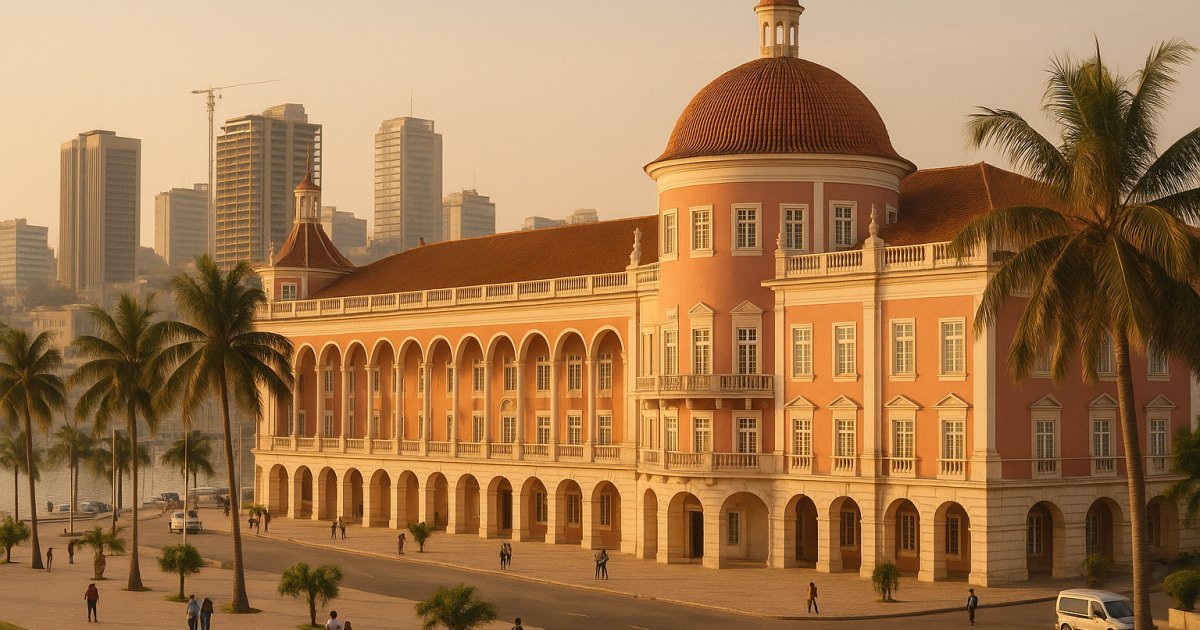
You can read Angola's past in its buildings — forts, cathedrals, entire city blocks. Here's where to start, with the practical details you'll need to actually get there.
Fortaleza de São Miguel, Luanda
Built in 1576 by the Portuguese, this fortress overlooks Luanda Bay from a hill on the southern edge of the city center and now houses the Museum of the Armed Forces (Museu das Forças Armadas). It's open Tuesday to Sunday, roughly 9am to 5pm, with entry running around 500–1,000 kwanza for foreign visitors (bring cash, cards aren't reliably accepted at the gate). It's a 10–15 minute taxi ride from the Marginal waterfront, or walkable if you're already near the Ilha peninsula. Climb up onto its stone walls and you get sweeping views over the capital, plus a close-up look at colonial military architecture that's held up remarkably well.
National Museum of Slavery
Located in Morro da Cruz, about 30 minutes by car south of central Luanda in the Belas municipality, this museum stands on the site where enslaved Africans were once held before being shipped abroad. It's typically open weekday mornings and afternoons (call ahead to confirm hours, as staffing is limited), with a modest entry fee of a few hundred kwanza. It's heavy, understandably, but it's also one of the most important stops for grasping Angola's place in the transatlantic slave trade — and one of the few sites in the country dedicated specifically to that history.
Cathedral of Our Lady of Remedies
Also known as Igreja de Nossa Senhora dos Remédios, this is one of the oldest churches in sub-Saharan Africa, with construction dating to the early 1600s. It sits in Luanda's old town near the Fortaleza, so most visitors pair the two in a single walk. Entry is free, and it's generally open during daylight hours outside of Mass times — check locally, since schedules shift around religious holidays. The whitewashed façade and hushed interior offer a quiet break from the noise of Luanda just outside the doors.
Miradouro da Lua
Not historical in the traditional sense, but this lunar-like stretch of eroded cliffs sits roughly 40km south of Luanda along the coastal road toward Barra do Kwanza, and has guided travelers and traders along this coastline for generations. There's no formal entry fee or gate — it's an open viewpoint — but a car or taxi is essential since there's no public transport directly to the site; plan for about 45–60 minutes each way from the city center. Bring a camera and go near sunset if you can; the landscape alone justifies the detour.
Benguela and Lobito
These coastal cities, about 550km and 600km south of Luanda respectively (roughly a 1-hour domestic flight or a full day's drive), once anchored the Portuguese colonial railway and trade network. Benguela's old town still has its colonial buildings and tree-lined avenues, and the pace here is slow enough to justify sticking around for a day or two. Lobito's harbor and beachfront add an easy half-day extension if you're already making the trip south.
Practical Travel Tips for Visiting Angola
- Visa: Most travelers need a visa in advance, though Angola has relaxed some entry rules in recent years. Check current requirements before booking flights.
- Currency: The Angolan kwanza is the local currency. Cards work fine in bigger cities, but keep cash on hand for smaller towns, markets, and museum entry fees.
- Language: Portuguese is the official language. A translation app or a handful of basic phrases will save you a lot of hassle outside tourist areas.
- Best time to visit: The dry season, from May to October, gives you the most comfortable weather for exploring historical sites and coastal towns.
- Safety: Luanda and the major cities are generally safe for tourists, but stick to standard precautions, especially after dark.
Staying Connected While Exploring Angola
One of the first headaches for international travelers is sorting out mobile data the moment they land. Local SIM cards often mean long airport queues, paperwork, and language barriers — not what you want when you're just trying to find your hotel or navigate to Fortaleza de São Miguel. An eSIM cuts all of that out. If you're new to the concept, this guide to avoiding roaming charges abroad breaks down how eSIMs work and why they're usually cheaper and faster than local SIMs.
With GotoeSIM, you install your Angola data plan before you even board the flight. No physical SIM to swap, no store to track down, no waiting around — just instant delivery and a one-tap install. GotoeSIM covers 190+ countries with plans starting from just $0.42, and if you don't end up using yours, refunds are available on unused plans, so there's really no downside to grabbing one ahead of time.
For Angola specifically, there are a few solid options depending on how long you're staying: the Angola 500MB/Day plan at $8.48 for light daily use, the Angola 1GB 7Days plan at $14 if you're around for a full week, or the Angola 1GB/Day plan at $14.04 for travelers who burn through data on maps, calls, and photos of every historical site along the way. Compare the current options and pick what fits your trip at gotoesim.com/plans?q=Angola. If you run into setup issues or have questions about compatible devices, the GotoeSIM help center has step-by-step troubleshooting.
Making the Most of Your Angola Trip
Angola isn't a place you rush through. Spend real time in Luanda's historic quarter, take the slow route down the coast to Benguela, and set aside a full day for the Miradouro da Lua and the beaches nearby. Pair the historical places with the natural landscapes and you'll walk away with a much fuller picture of a nation that's still writing its next chapter after a complicated past.
FAQ
What is Angola known for?
Angola is known for its Portuguese colonial architecture, dramatic Atlantic coastline, oil and diamond resources, and a complex history that includes centuries of colonization followed by a long civil war. It's increasingly recognized among independent travelers for well-preserved historical sites in Luanda and Benguela that see very few foreign visitors compared to other African capitals.
Do I need a visa to visit Angola as a tourist?
Most international travelers need a visa to enter Angola, though requirements have eased in recent years for certain nationalities. It's best to check the latest rules with an Angolan embassy or official visa portal before you travel.
What is the best way to get mobile data in Angola?
An eSIM is typically the easiest option since you can activate it before arrival and skip hunting down a local SIM shop. GotoeSIM offers Angola data plans starting at $8.48 with instant delivery and one-tap install, so you're connected the moment you land.
Is Angola safe for international travelers?
Angola's major cities, including Luanda, are generally safe for visitors who take normal precautions — avoiding poorly lit areas at night, keeping valuables out of sight. As with anywhere else, staying aware of your surroundings goes a long way.
Ready to travel connected?
Instant eSIM data for 190+ countries. One-tap install, no roaming bills.
Browse eSIM plansOr get the GotoeSIM app